Research Interests
Involved in uncovering the molecular and cellular basis of cancer and developing new therapeutic drugs
Cancer Pharmacology
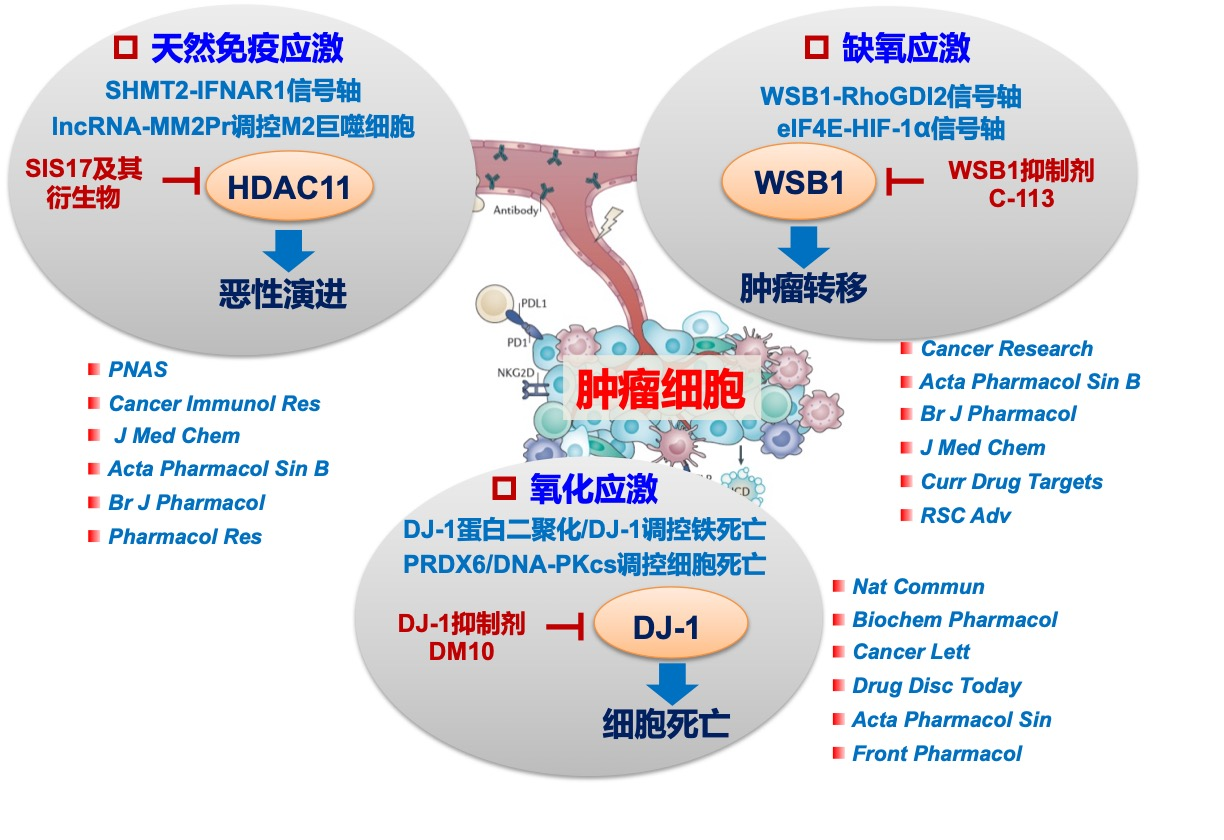
探索肿瘤新靶点并开发分子靶向抗肿瘤药物是抗肿瘤药物研发的重要方向之一,靶点特异性的抗肿瘤药物能够针对正常细胞与肿瘤细胞之间的差异,以实现高选择性、低毒性的治疗效果。本课题组着重于抗肿瘤新靶点的发现和确证研究,聚焦细胞应激的抗肿瘤药物新靶点及新分子发现研究,围绕肿瘤细胞免疫应激、缺氧应激和氧化应激,发现了包括HDAC11、WSB1、DJ-1等在内的抗肿瘤新靶点及其小分子干预化合物。
Tumor Immunology
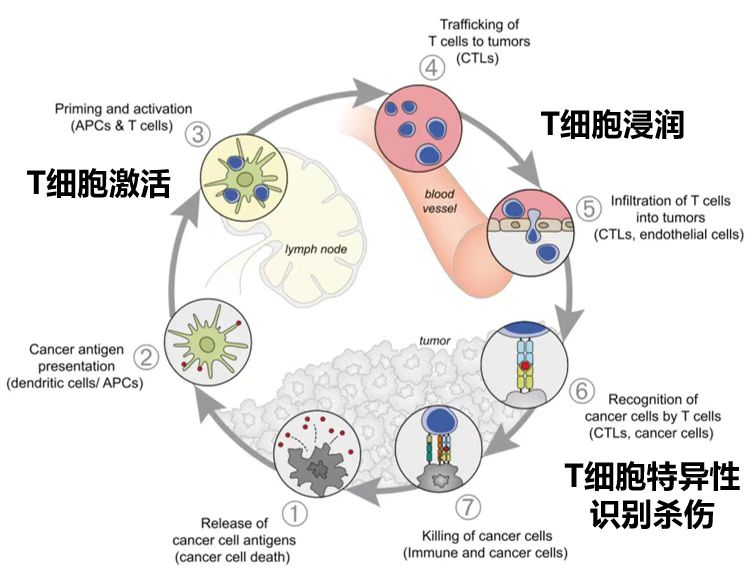
With the continuous deepening of tumor research, studies on the tumor immune microenvironment and tumor T-cell immunotherapy have attracted widespread attention in recent years. The core of tumor T-cell immunotherapy involves the recognition and killing of tumor cells by T cells. Our group focuses on the key factors that influence tumor antigen presentation and tumor-specific recognition of cancer cells during antitumor T-cell immunity. In the future, we will center on two critical steps of T-cell therapy, tumor neoantigen generation and tumor-specific T-cell recognition, to investigate regulatory molecular mechanisms, target discovery, and intervention strategies.
PROTAC
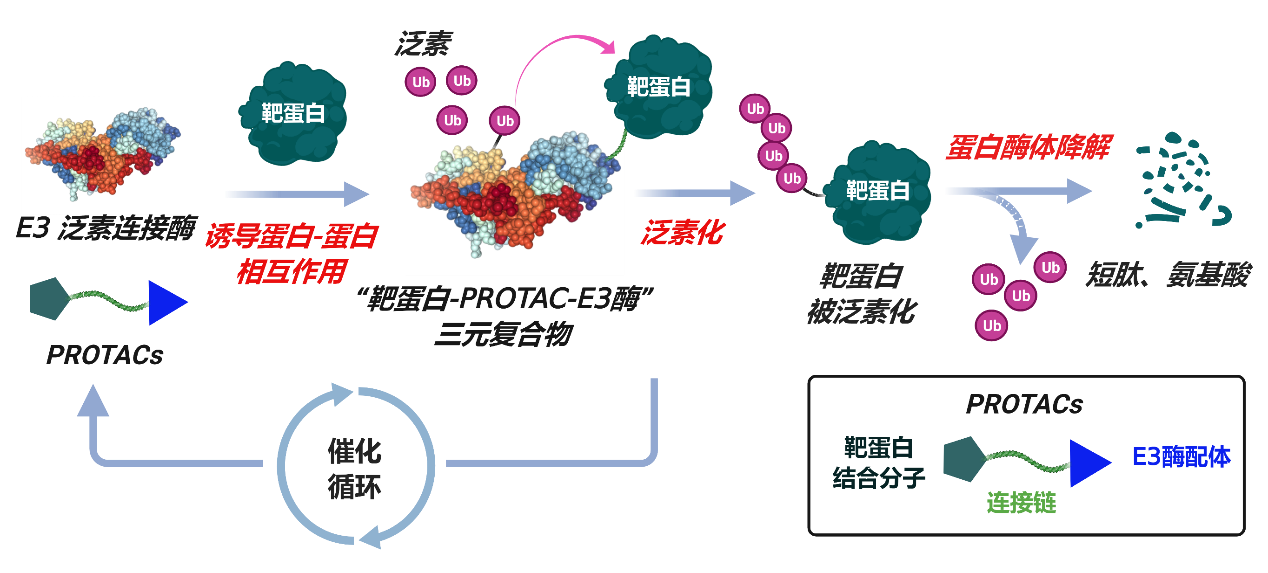
PROTAC technology leverages the natural protein degradation process inside cells. In vivo, it can recognize the target protein and a specific E3 ubiquitin ligase, and through a bifunctional molecule, brings the target protein and the E3 ligase into close proximity. After ubiquitination, the target protein is further degraded through the ubiquitin-proteasome pathway. We aim to design and discover novel small-molecule ligands for E3 ubiquitin ligases to develop protein-specific degraders, and to use the degraders as chemical probes to study novel biological functions and pathways of disease-relevant proteins.
AI for Pharmacology
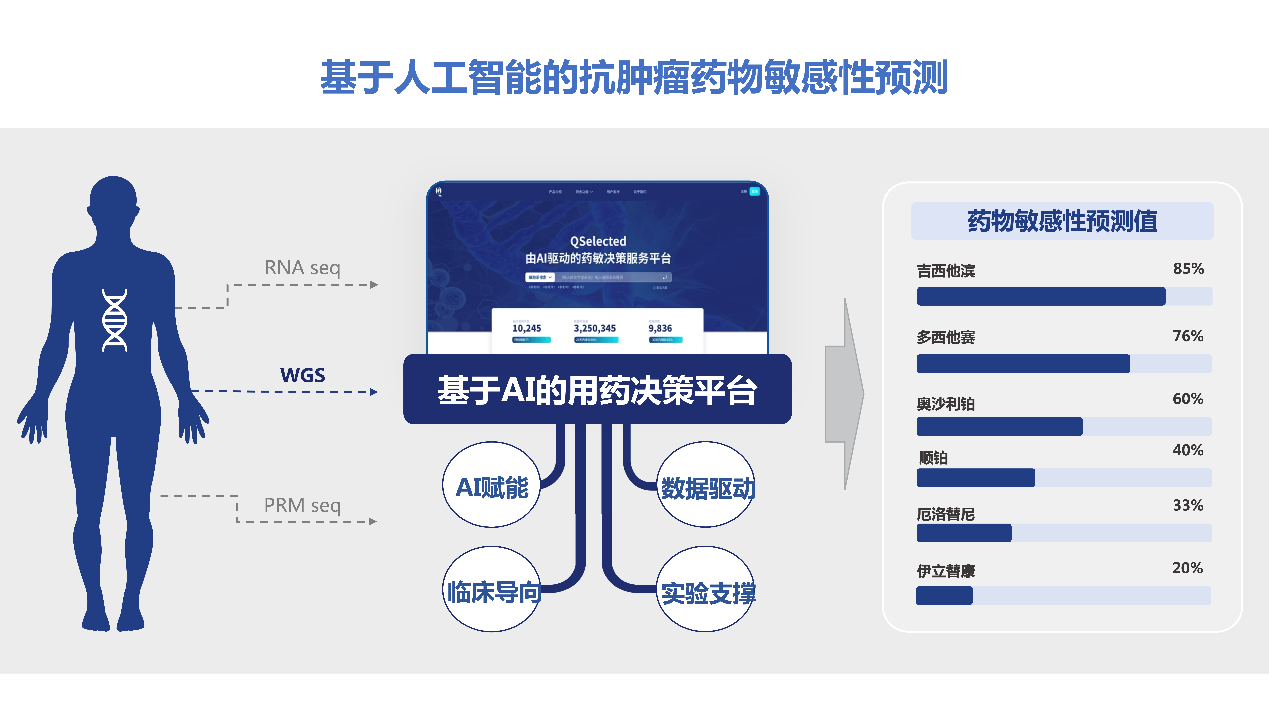
基于AI for science的科研理念,推动人工智能工具和传统实验工具结合促进疾病生理机制发现和生物底层理论创新,数智驱动解决临床前药物研发和临床精准医疗应用中的关键难题。目前研究方向集中于围绕临床精准用药的关键技术和问题(药物敏感性预测、药物再利用、药物合用、药物靶标发现等),采用病人个体化的多组学大数据和AI技术建立生物平台临床样本库,开发针对不同临床需求的AI预测模型和新方法,从而辅助指导临床精准用药和药物新靶标的发现。